 Polski
 Cesky
Cesky
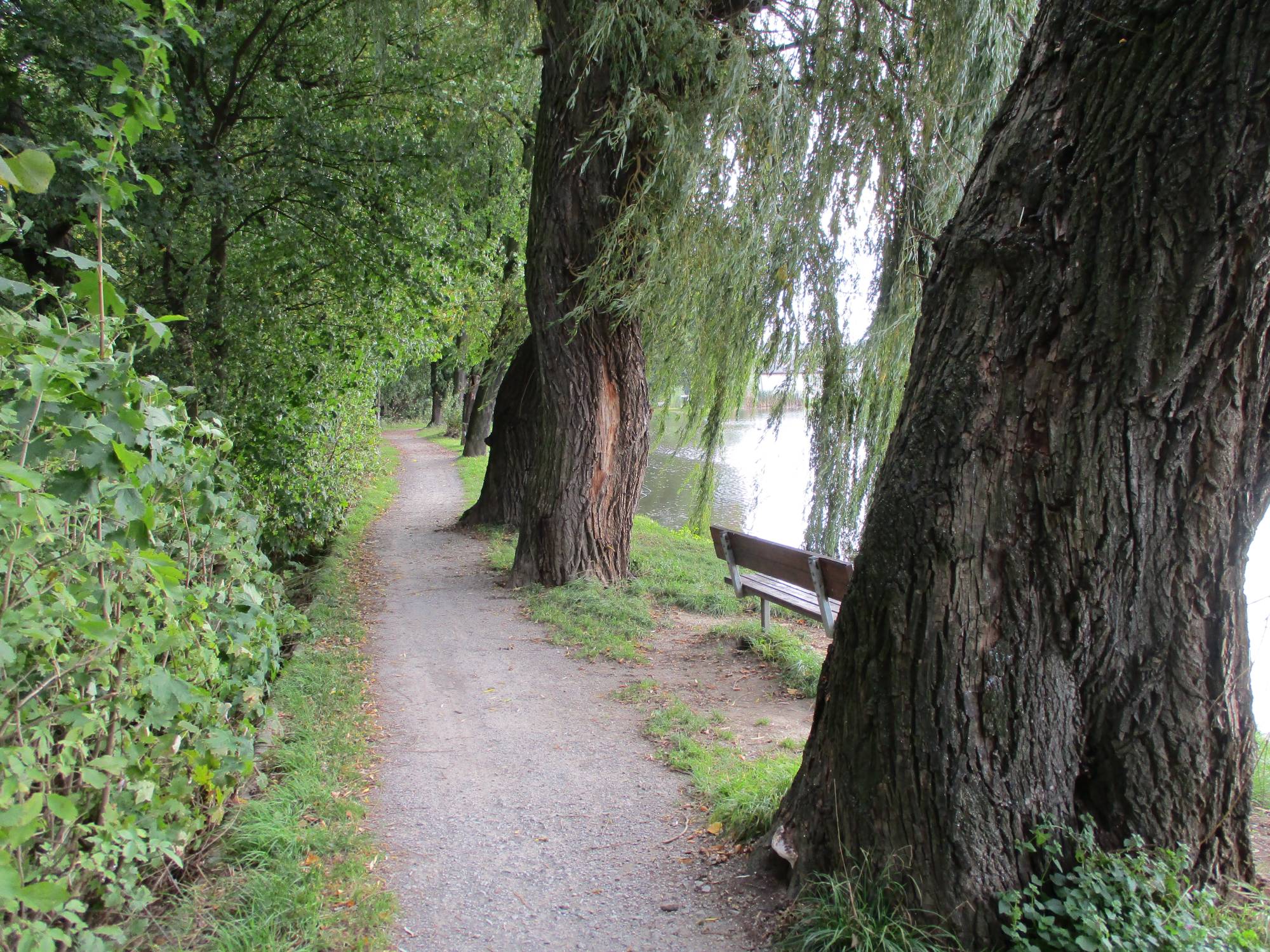
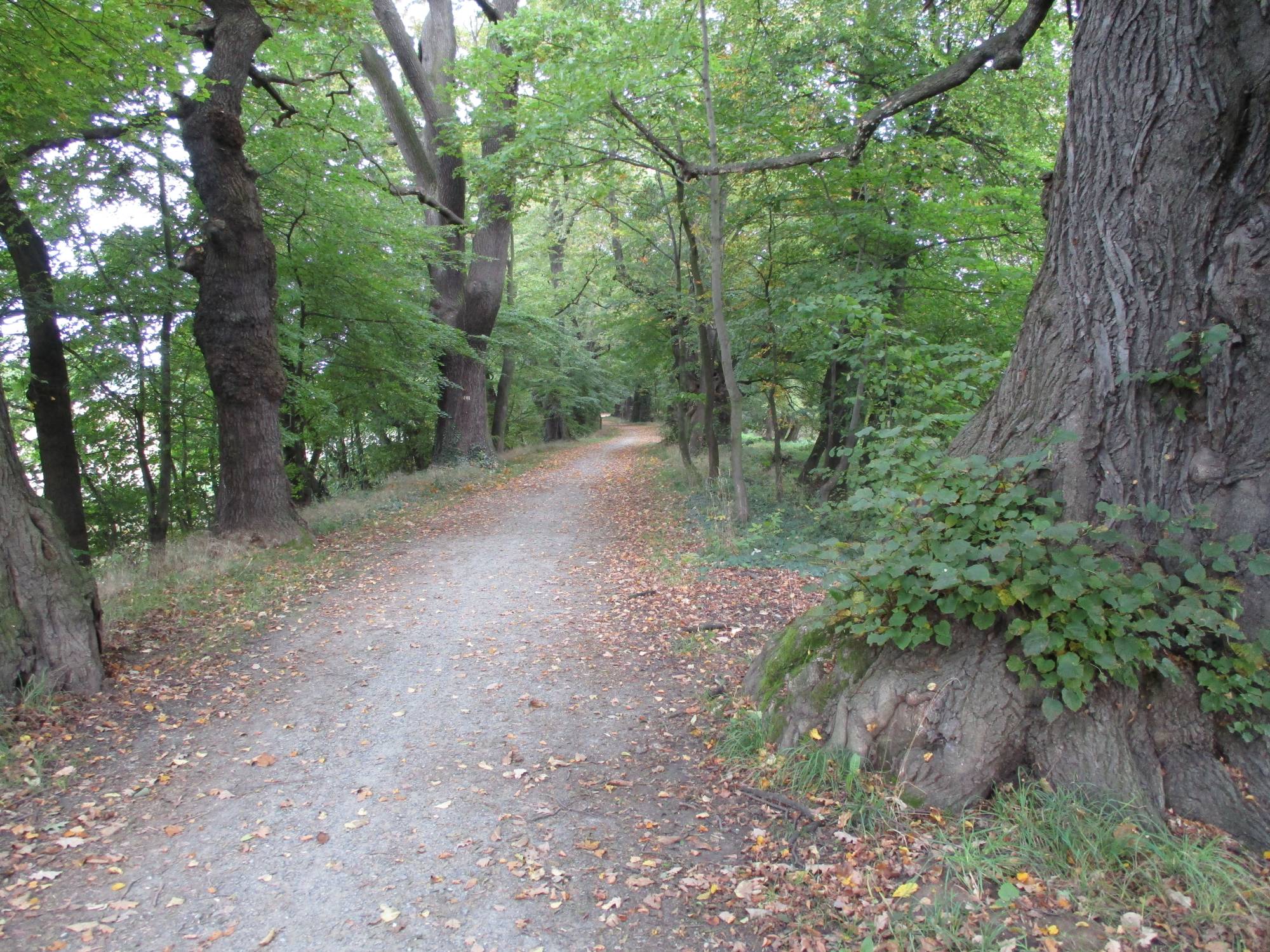
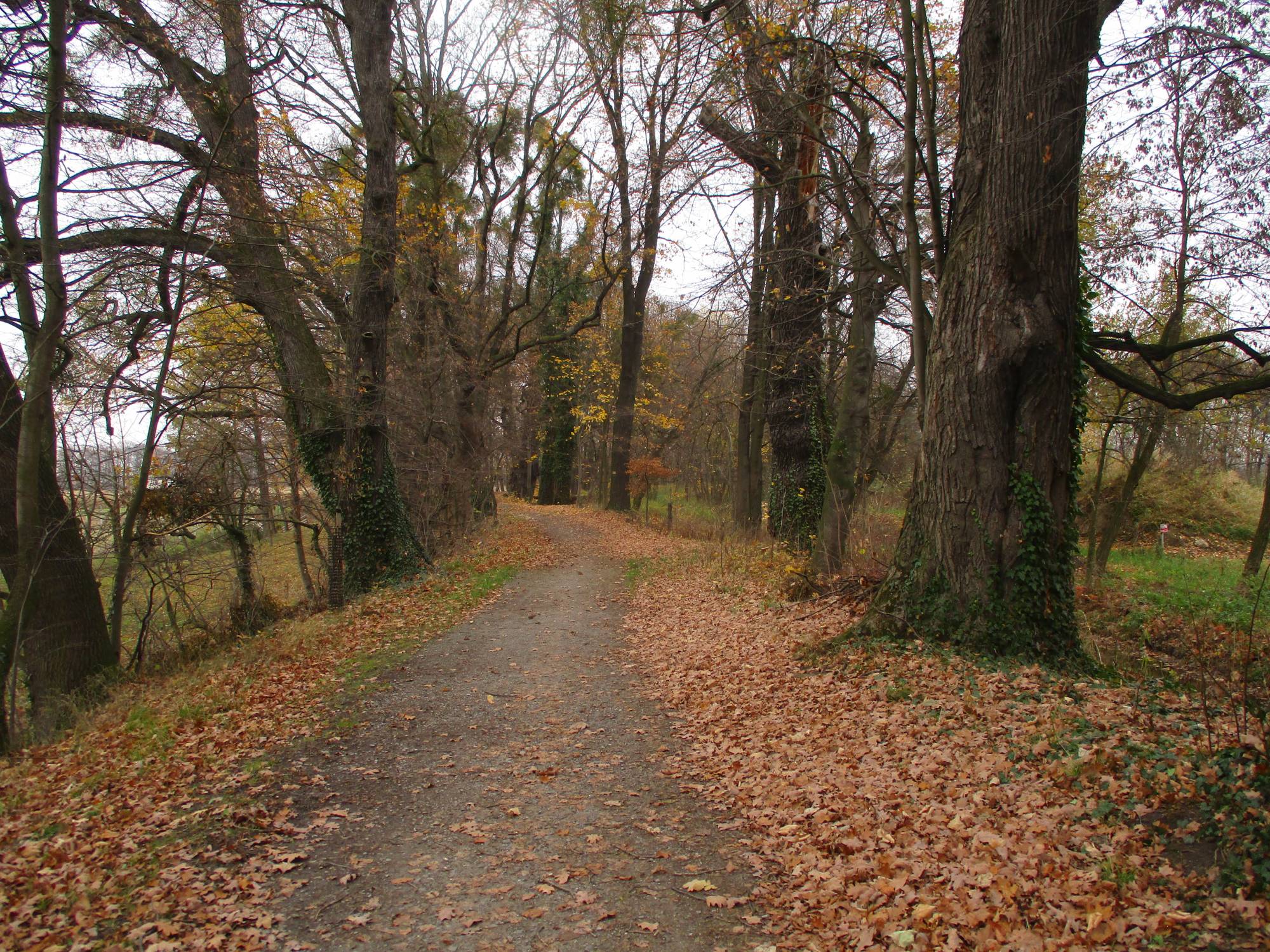

The word 'hroza' has penetrated into contemporary language from the Moravian dialect functioning on the Polish-Czech border. It means an embankment, a road between ponds. This was precisely the original function of the currently existing avenue. This historical, today inter-field route connects the villages of Tworków and Bieńkowice, running between the numerous ponds that once existed there. The Atlas Silesiae from 1736 confirms the existence of the ponds. It even lists their names: Binkowitzer Teich and Der grosse Teich. The existence of an embankment dividing the ponds is documented as far back as the 16th century. Because in the 18th century, oaks dominated the local tree stand, the then owner of the Tworków estate, Johann Friedrich von Eichendorff, named the area between the villages Eichenhof (Oak Manor). The area must have been charming at that time, because the young baron, living constantly in Tworków, did not reside in the nearby castle, but in a modest house between the castle and the mill, in the immediate vicinity of the Hroza. Today's Hroza Avenue is a beautiful, peaceful place where one can experience closeness to nature. On both sides of the avenue extend rows of dozens of ancient trees. The most numerous are lime trees of two and broad-leaved species. You will also find maples, sycamores, sessile oaks, and horse chestnuts -- most of the trees are over 100 years old.