 Polski
 Cesky
Cesky
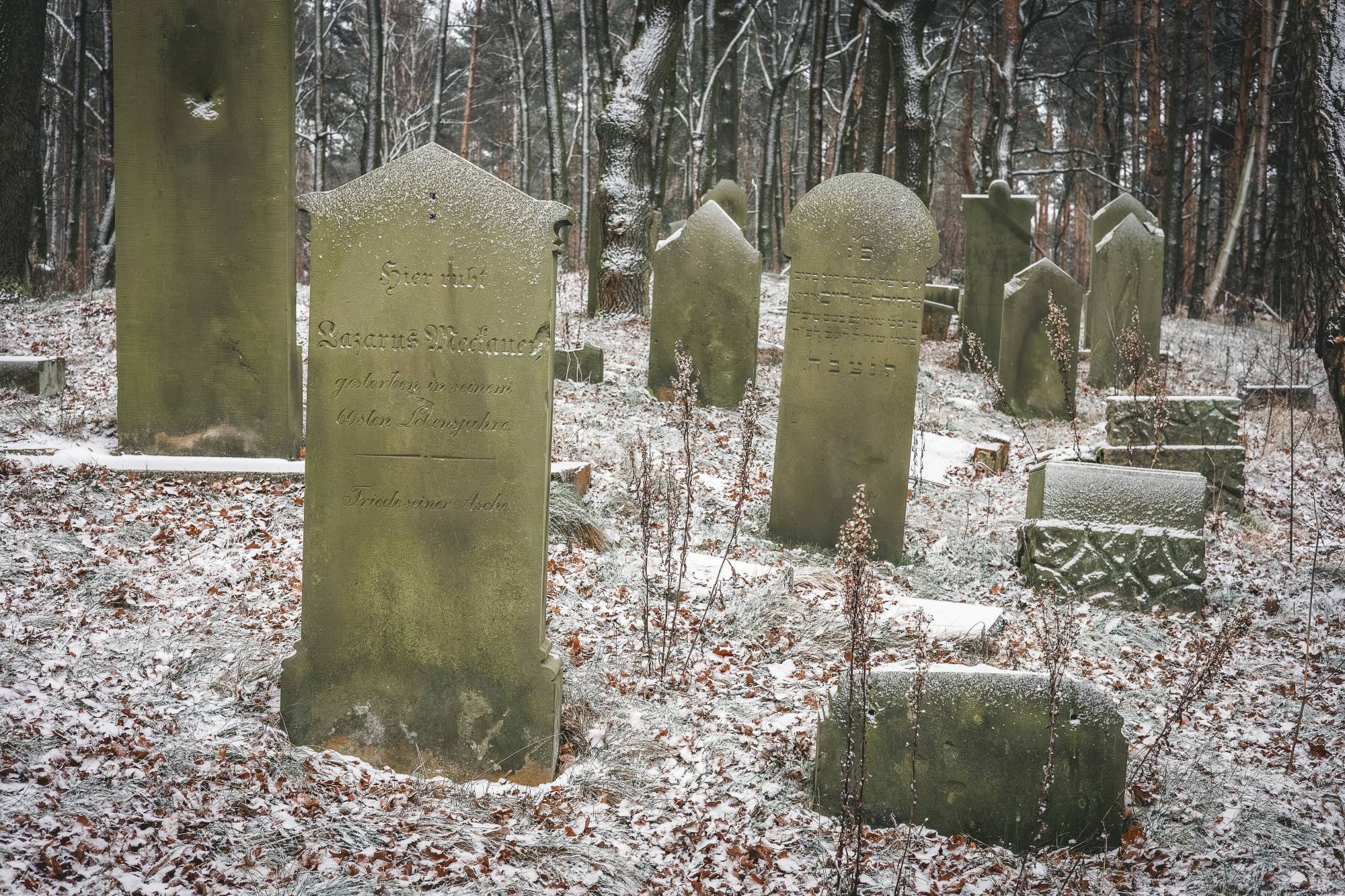
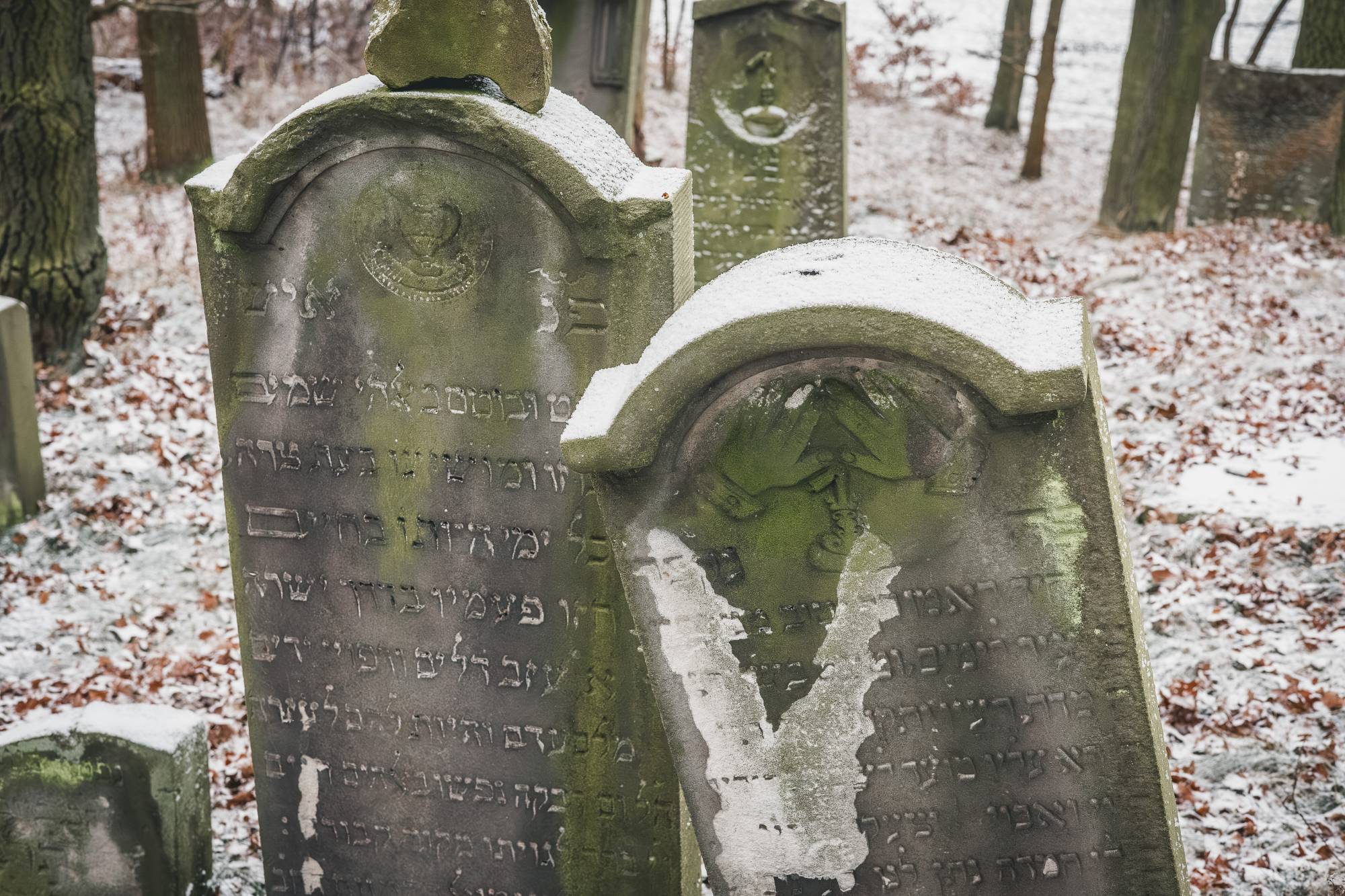
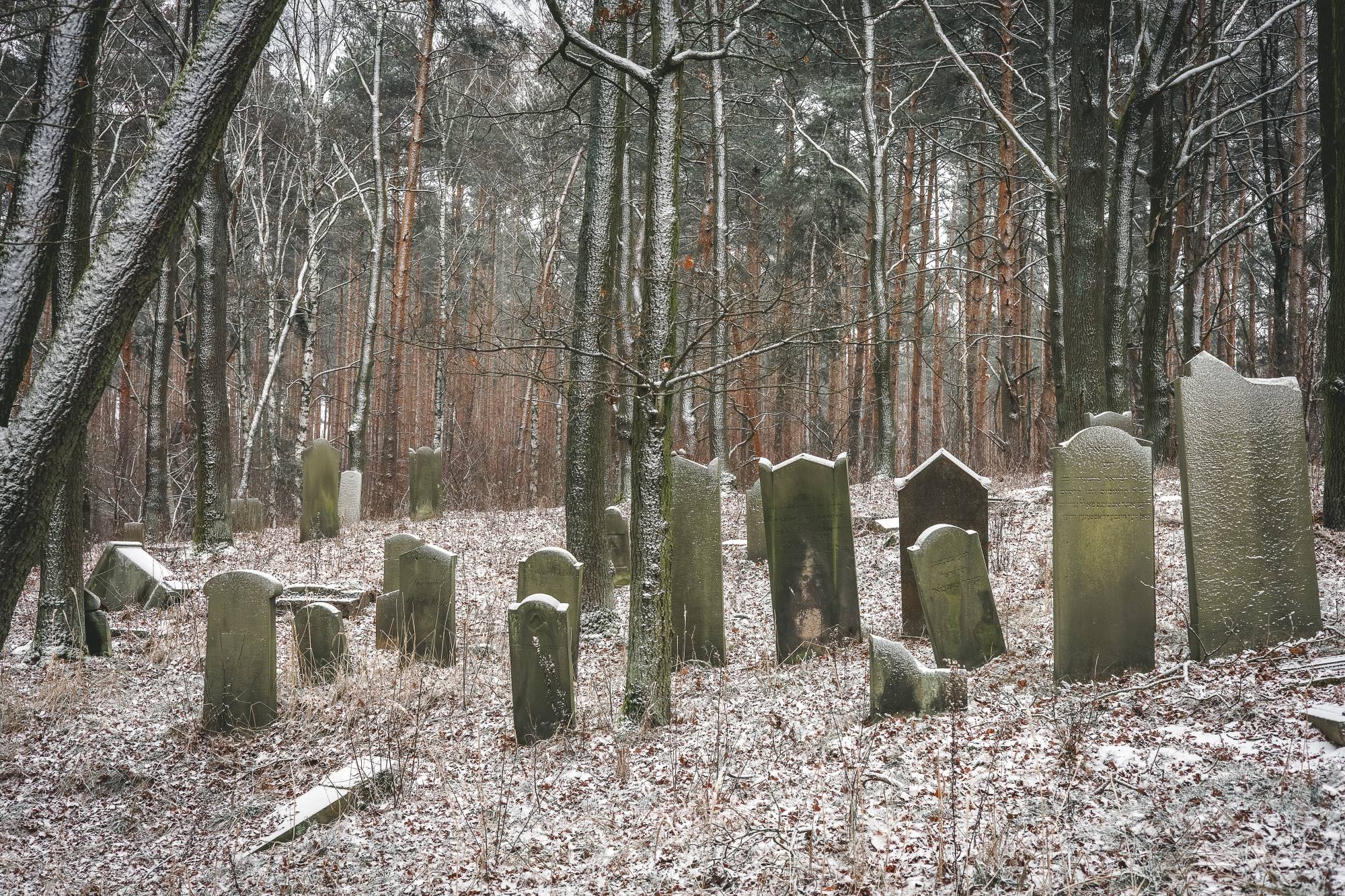
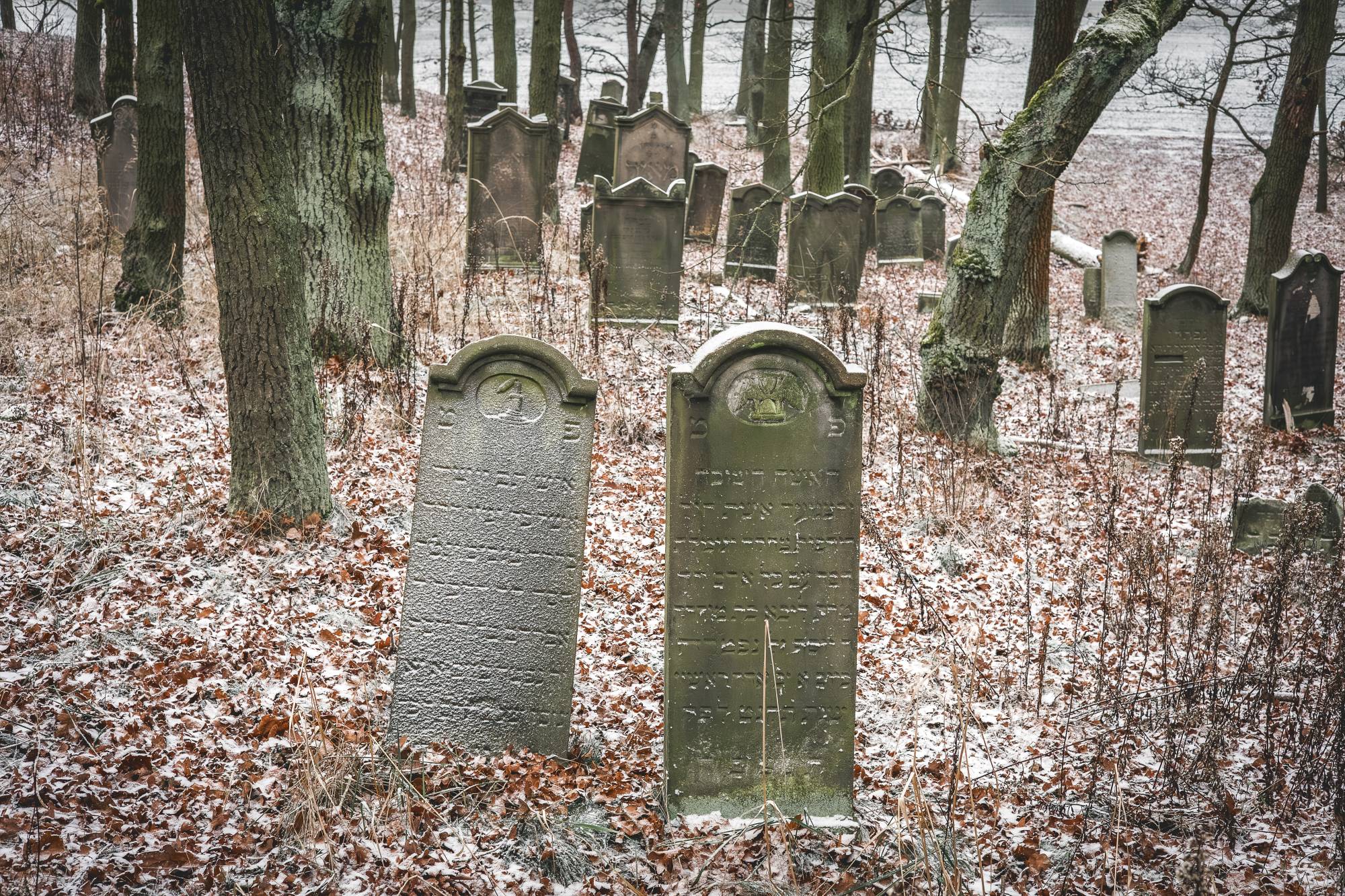

The kirkut in Miejsce, in the municipality of Świerczów, is a historic necropolis located on a hill, surrounded by forest. Its origins date back to the middle of the 17th century, and the oldest preserved gravestones (macevy) are dated to the end of the 18th century. It functioned at least from 1771, a date confirmed by a photograph of four wooden macevy from this cemetery, kept in the collections of the Jewish Museum in Frankfurt am Main (dated 1771-1805). The oldest of them bears an inscription stating that a respected and valiant woman, Mrs. Chajosen, daughter of the esteemed Alexander, who died on Tuesday, 5 Adar of the year 531 according to the Hebrew calendar (February 19, 1771), is buried there.
In 1787, the Jewish community legally regulated the cemetery area, creating a formal necropolis. In the second half of the 19th century, the cemetery was surrounded by a wall and a house of the dead (Beit Tahara) was erected, which served to prepare the deceased for burial.
The cemetery functioned actively until 1932. During World War II, some gravestones were destroyed. After the war, the cemetery wall was dismantled, and some macevy were used as building material. Nevertheless, several dozen gravestones have been preserved, made mainly of sandstone and marble, with inscriptions in Hebrew and German.