 Polski
 Cesky
Cesky
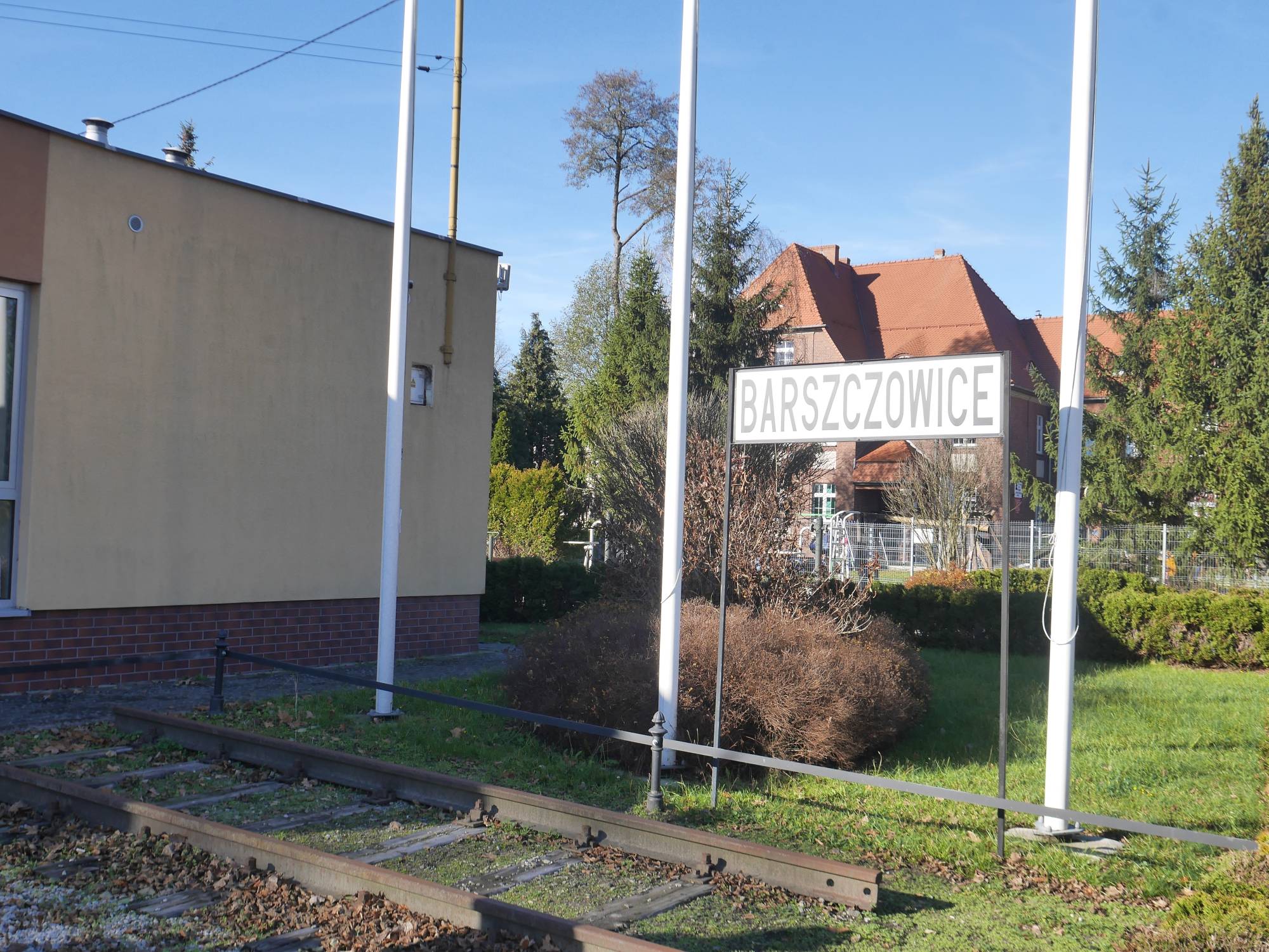
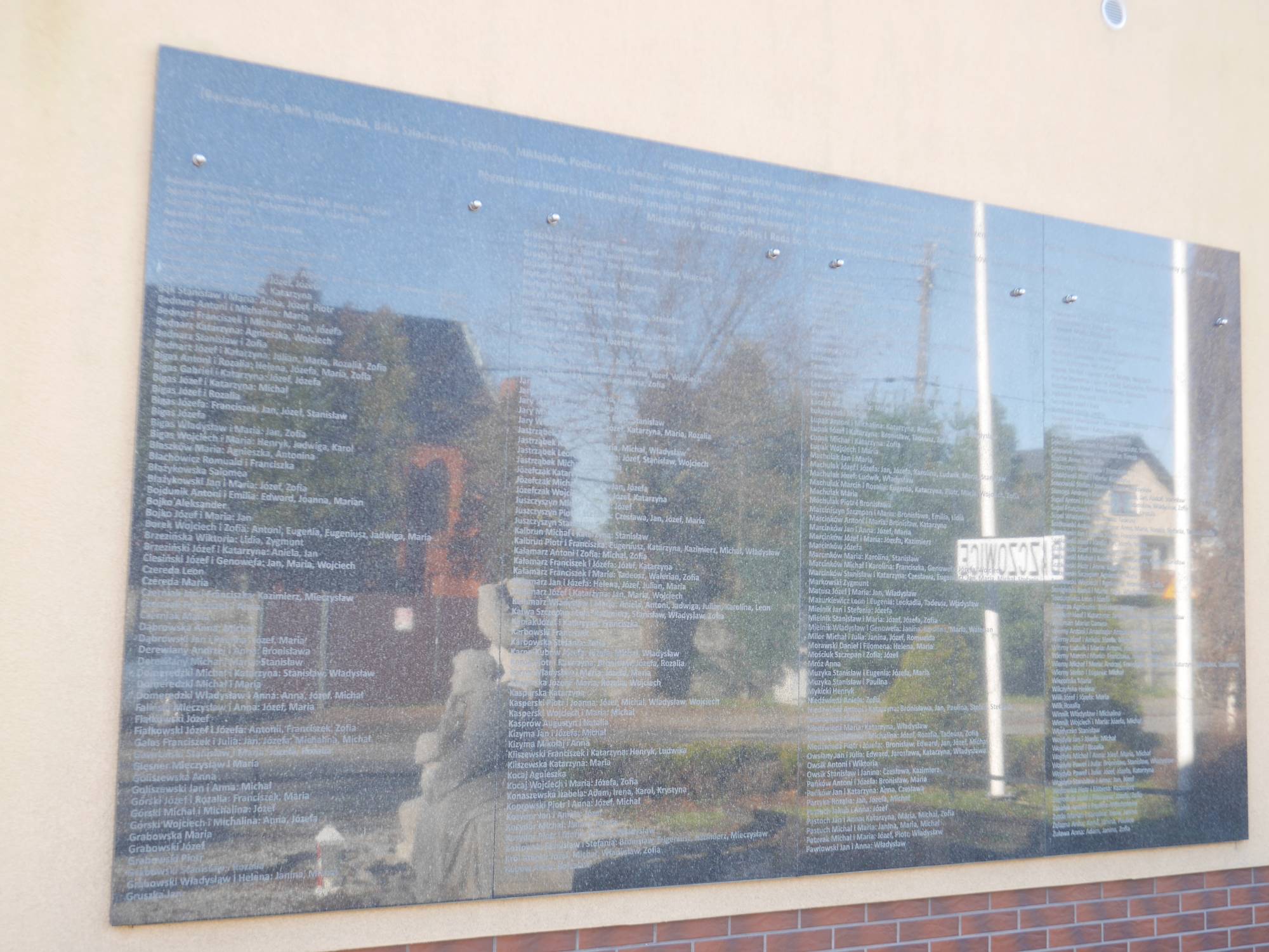
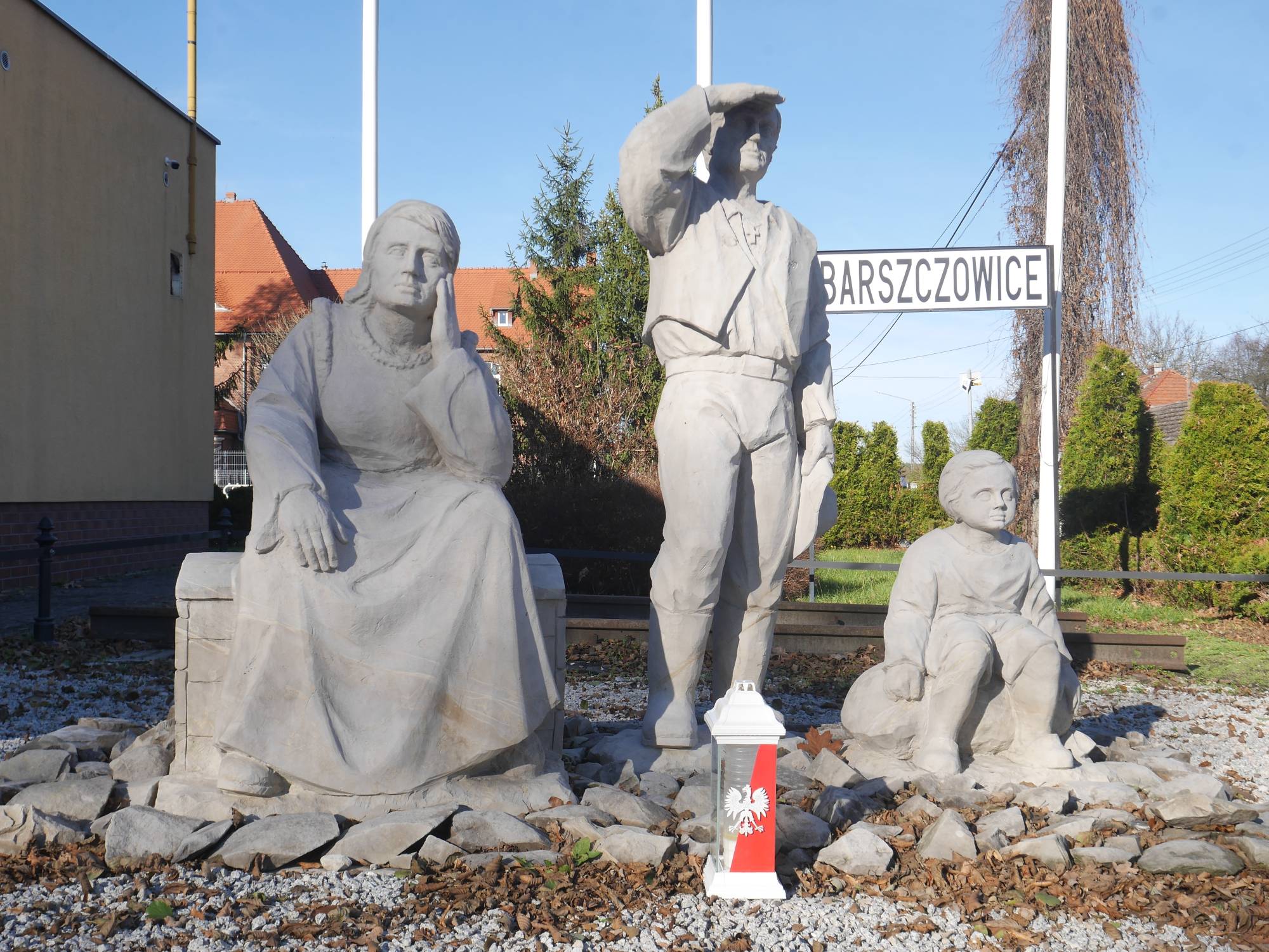

Grodziec [Friedrichsgrätz] is a small village in the Ozimek [Malapane] commune in the Opole district. In 1752, Czech Hussites settled here – religious refugees fleeing persecution and seeking asylum in Protestant Prussia. The settlement was named in honor of the then-ruler, King Frederick II. In 1945, the village was incorporated into Poland as Grodziec, and its population at the time left for the Czech Republic. In 1945, the Polish population expelled from Biłka Szlachecka (Lviv district) was resettled here. They arrived from the Eastern Borderlands after losing their lands and homes. The new settlers struggled for a long time to find their place in the new location. It was only in the 1970s that Grodziec became a true home for them. Despite the passage of years, they have kept the memory of their roots alive – to this day, their descendants cultivate the borderland traditions brought to Silesia by their ancestors. To honor the difficult fate of post-war displaced persons, the "Nasz Grodziec" Association, together with the Village Council, funded the Monument to the Displaced from the East. The monument depicts a family forced to leave their homeland near Lviv and start life anew. Behind the sculpture, a fragment of railway tracks and a plaque with the name of the station from which the former residents departed have been placed. Right next to the monument is a plaque with the names of nearly a thousand people, mainly from Biłka Szlachecka and Biłka Królewska, who arrived in Grodziec in April 1945. Most of them believed this was only a stop on their way back home.