 Polski
 Cesky
Cesky
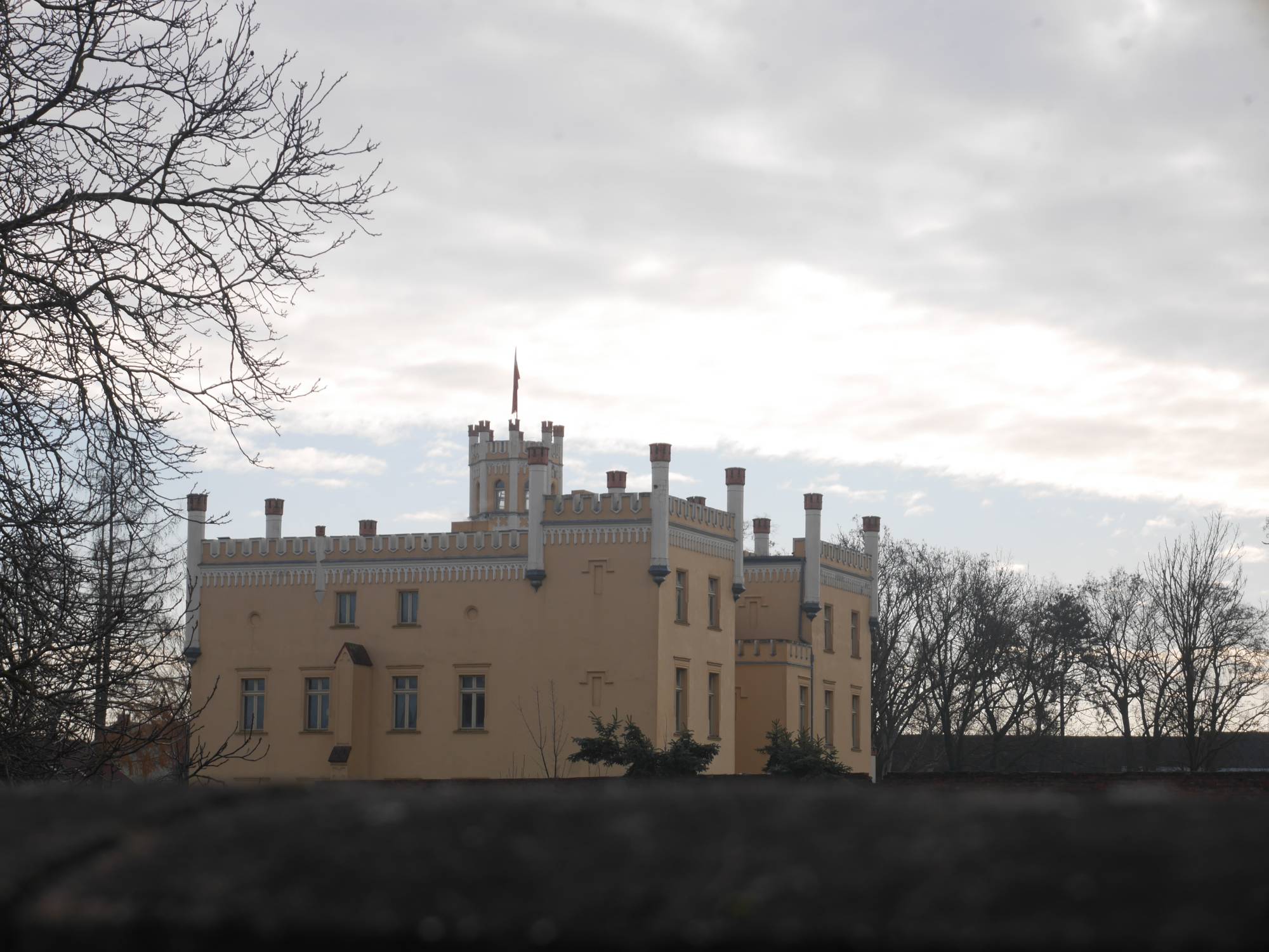
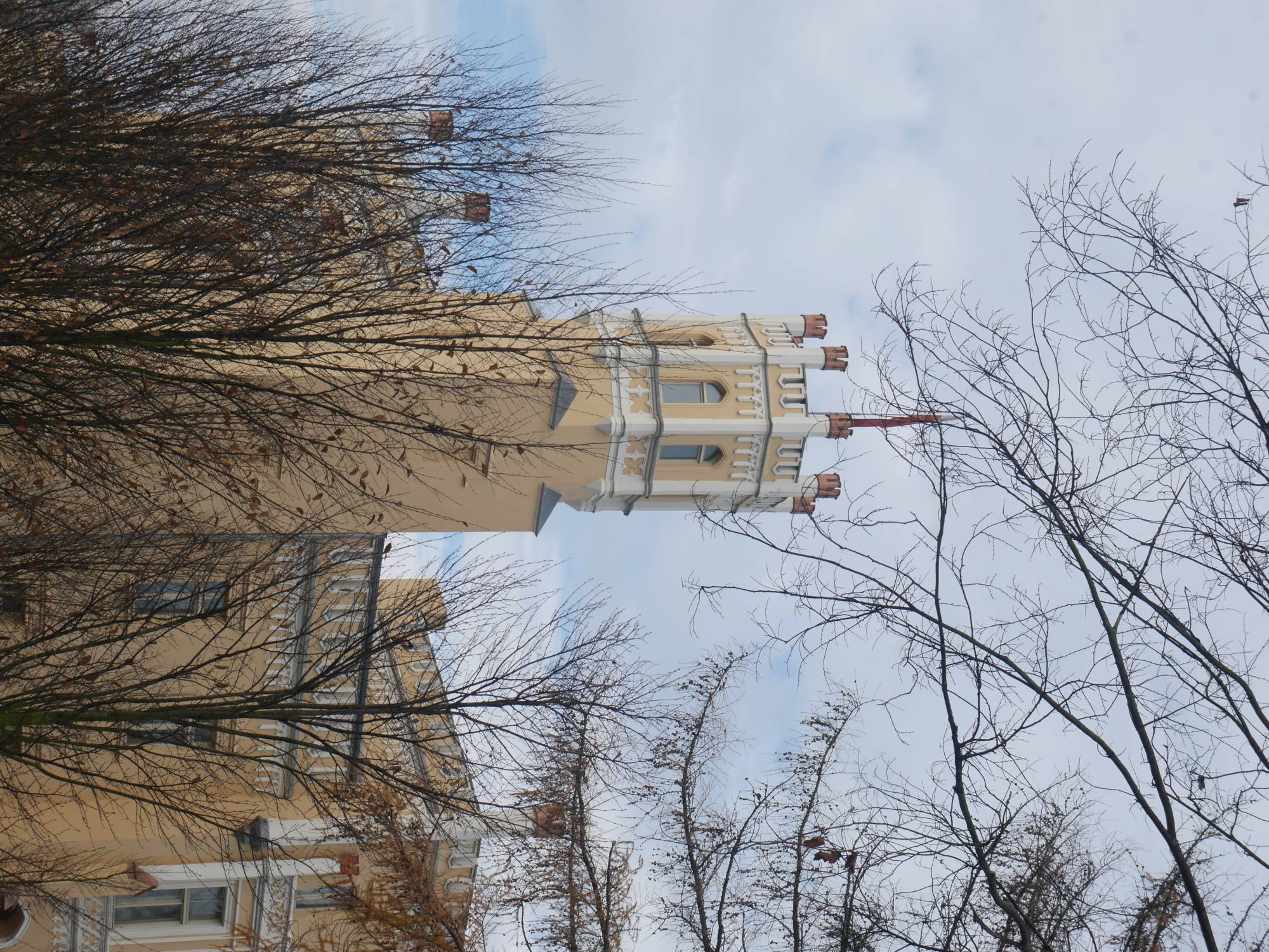

A historic residence located in the Opole Voivodeship, with roots reaching back to the eighteenth century. The first mentions of the estate refer to Countess Luiza Eleonora von Beess. In 1783, it became the property of Major Gottlob Albrecht von Sauerma of the royal guard. In the middle of the nineteenth century, the palace was thoroughly rebuilt in the style of English Neo-Gothic with Byzantine elements by Friedrich Wichelhause, giving it a characteristic "castle" appearance. The two-story brick structure has a complex form with a tower, risalits, and Neo-Gothic details. The roofs are flat, emphasizing the monumentality of the structure. After World War II, the palace was taken over for the needs of a state farm, and over time its condition deteriorated significantly. In 2007, the property was purchased by businessman Karol Galara, who began conservation work, including roof repairs and parts of the interior. The palace is surrounded by a landscape park with a linden avenue, a former pond, and fragments of farmstead buildings, although many elements require further reconstruction. Today, the palace in Narok is an important point on the Castle and Palace Trail of the Opole region, attracting lovers of architecture and history. Its history, Neo-Gothic styling, and surroundings make it one of the more interesting monuments of the region, and ongoing renovation work gives hope for the complete restoration of the residence to its former glory.