 Polski
 Cesky
Cesky
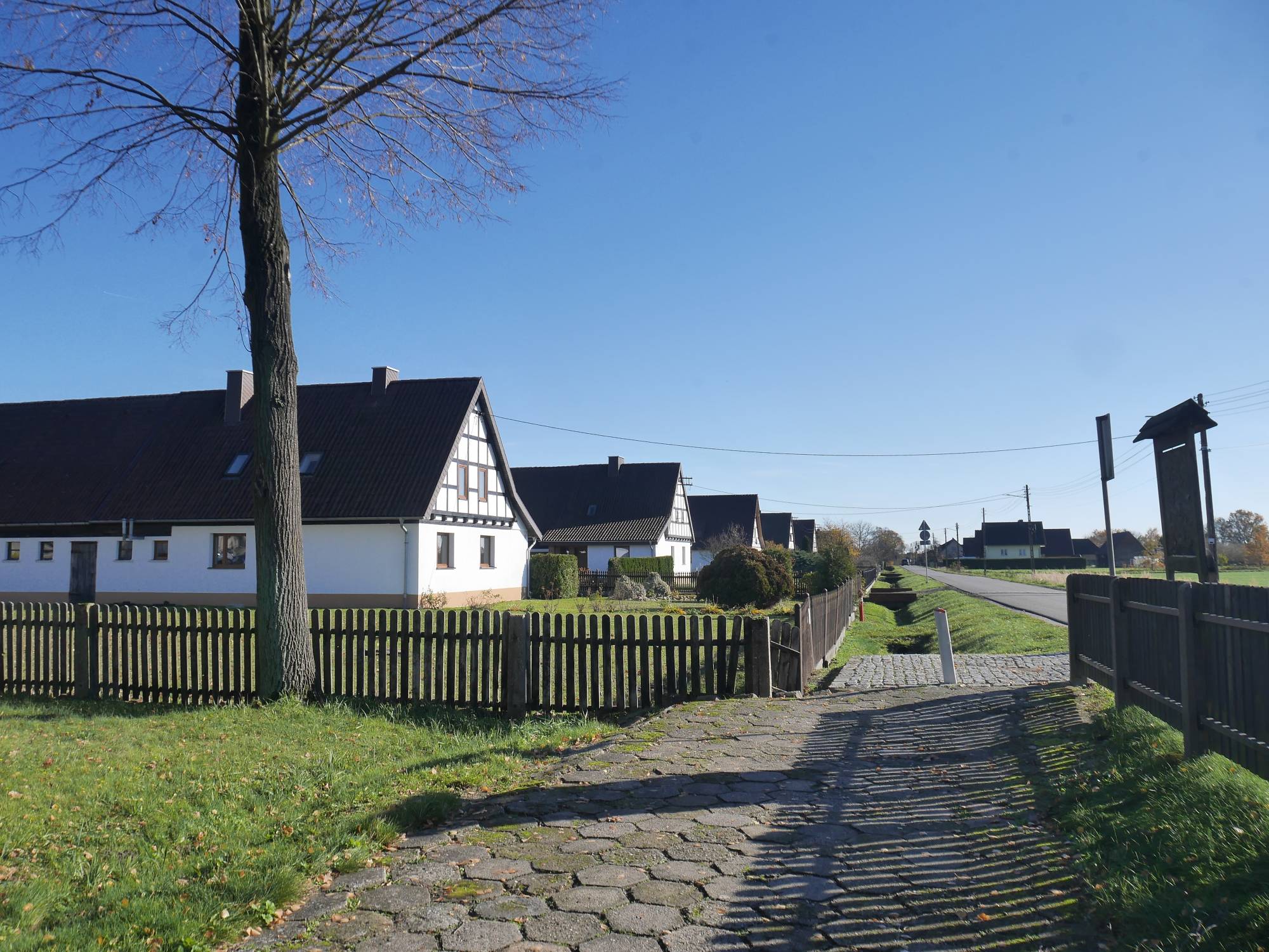
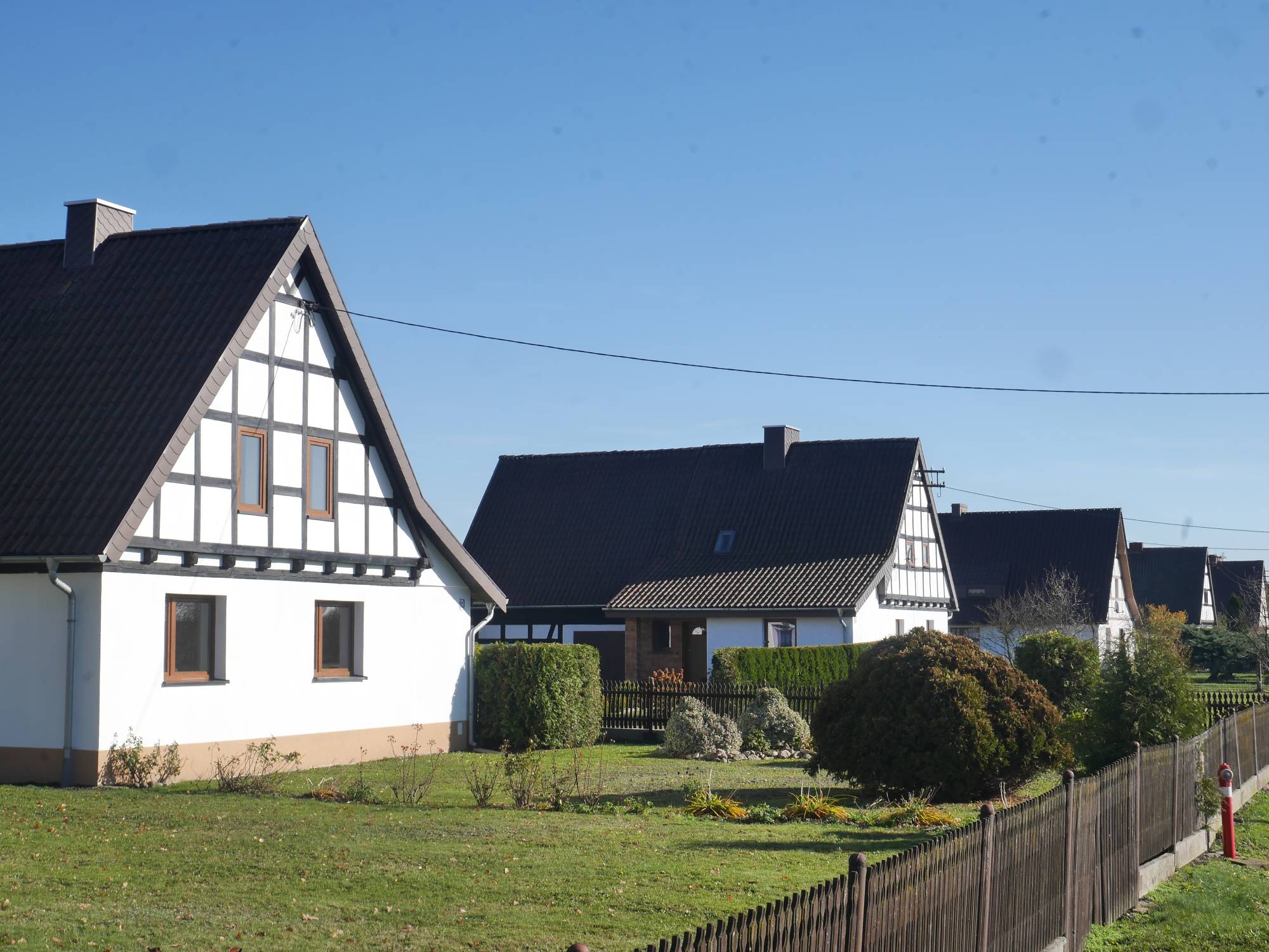

In Zakrzów Turawski [Sacrau Turawa], a short distance from the historic 18th-century wooden church of Sts. Peter and Paul, along Kościelna Street, stand nearly identical houses featuring a masonry ground floor and a skeletal upper floor with brown beams, built in half-timbered construction (Fachwerk). These well-preserved farmsteads were built in the 1930s. They were inhabited by families displaced from villages liquidated for the construction of Turawa Lake [Jezioro Turawskie] (a retention reservoir on the Mała Panew River). In some of these houses, descendants of the displaced – former residents of Szczedrzyk [Sczedrzik] and Jedlice [Jedlitz] – live to this day. The settlement, commonly called the "Siedlung," is a complex of Franconian-type farmsteads for farmers, settled between 1938 and 1940. A Franconian-type homestead is a traditional farm with a quadrilateral layout, where residential and utility buildings surround an inner courtyard. The residential house usually stands with its gable facing the street. This type of farmstead appeared mainly in Silesia in the 18th and 19th centuries and was characteristic of wealthier farms. The buildings are distinguished by their half-timbered construction – a type of skeletal building where the wooden frame (beams) is visible on the façade, creating a characteristic grid pattern.