 Polski
 Cesky
Cesky
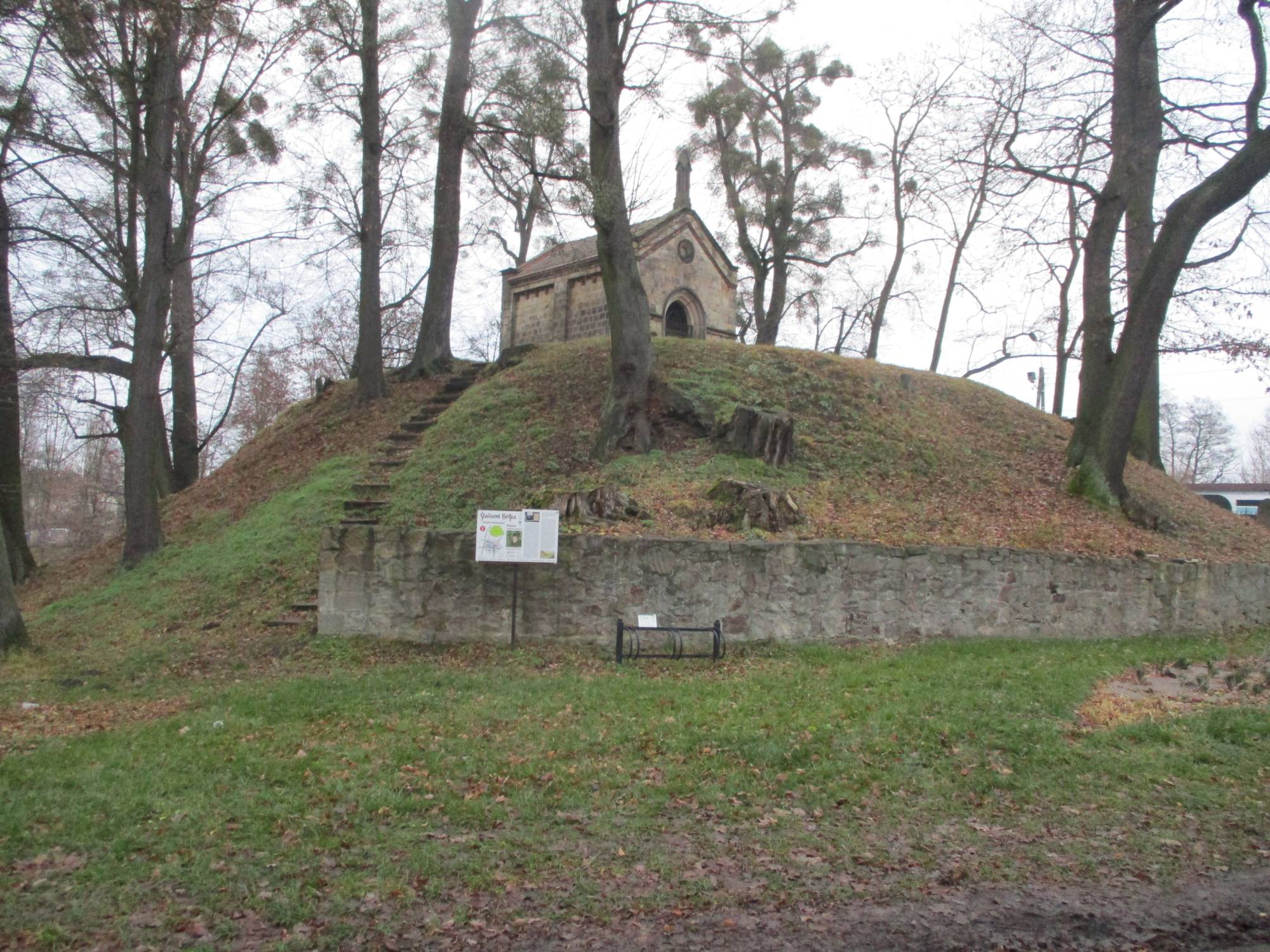
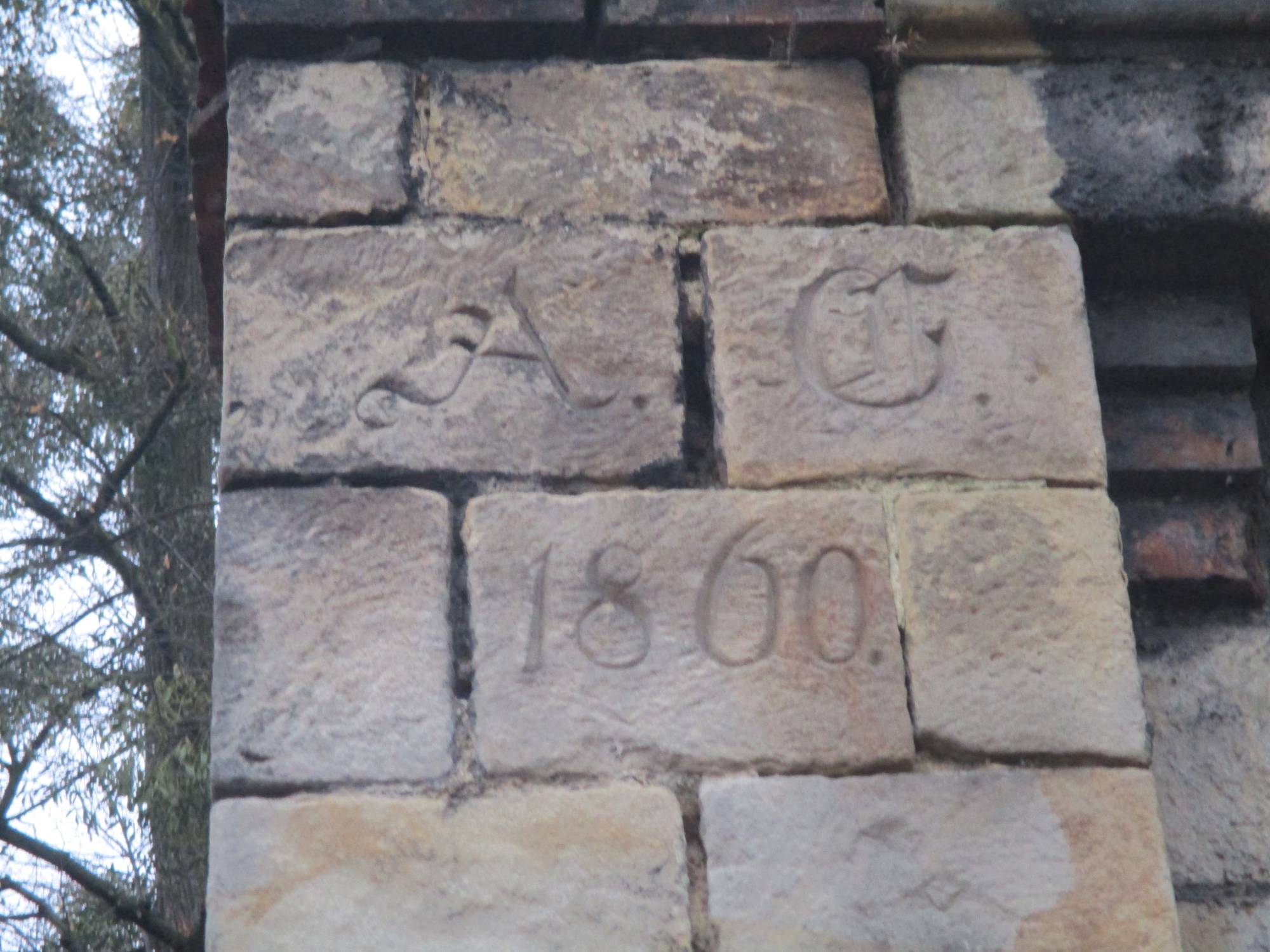
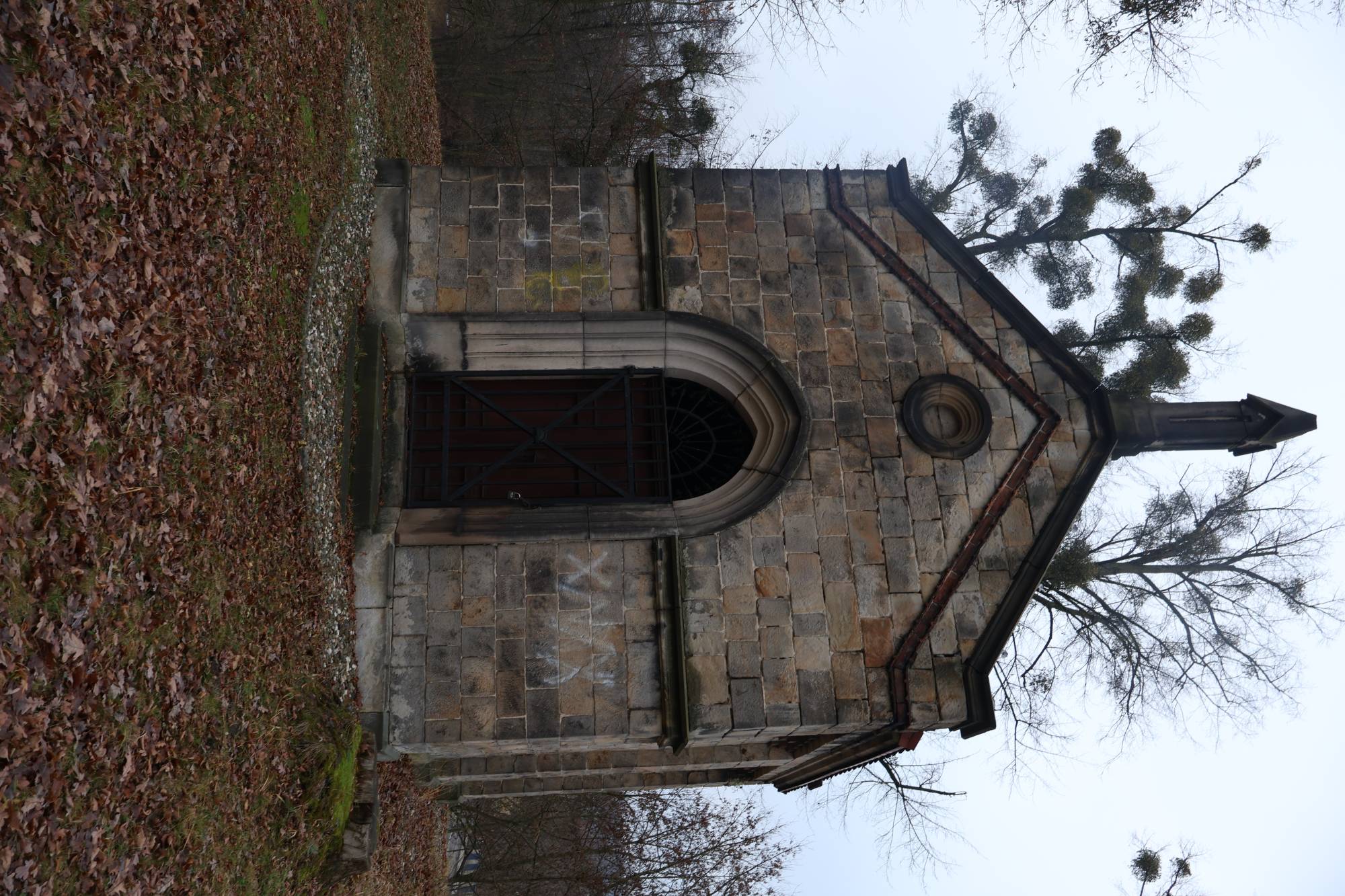

Bełk is a village in Rybnik district, within the Cistercian Landscape Compositions of Great Ore Landscape Park, which can boast a very interesting history and many historical objects. The origin of the village's name gives rise to much controversy among historians and linguists, and the first mention of it comes from 1280 and is found in the Liber fundationis episcopatus Vratislaviensis (The Founding Book of the Wrocław bishopric). Besides a wooden church dedicated to Saint Mary Magdalene from the 18th century, located on the Wooden Architecture Trail of Silesian Voivodeship, a more interesting object is the remains of a medieval residential-defensive hill fort. The building was erected near an old trade route in an area of the Bierawka river valley. The remains of the hill fort currently have the shape of a truncated cone with steep slopes, with an area of approximately 10-11 acres. On top of the Bełk hill fort in 1860, master mason Carl Wenzlik, at the commission of the then owner of the surrounding estate Anton Gemander, built a Neo-Gothic chapel, whose underground part, serving as a crypt containing the burials of the Lukas family, damaged the mound embankment and destroyed archaeological structures and cultural layers. Nowadays, this distinctive landmark in the village landscape has been given the names Bełkowski Kopiec or Wzgórze Lukasów (Lukas Hill).