 Polski
 Cesky
Cesky
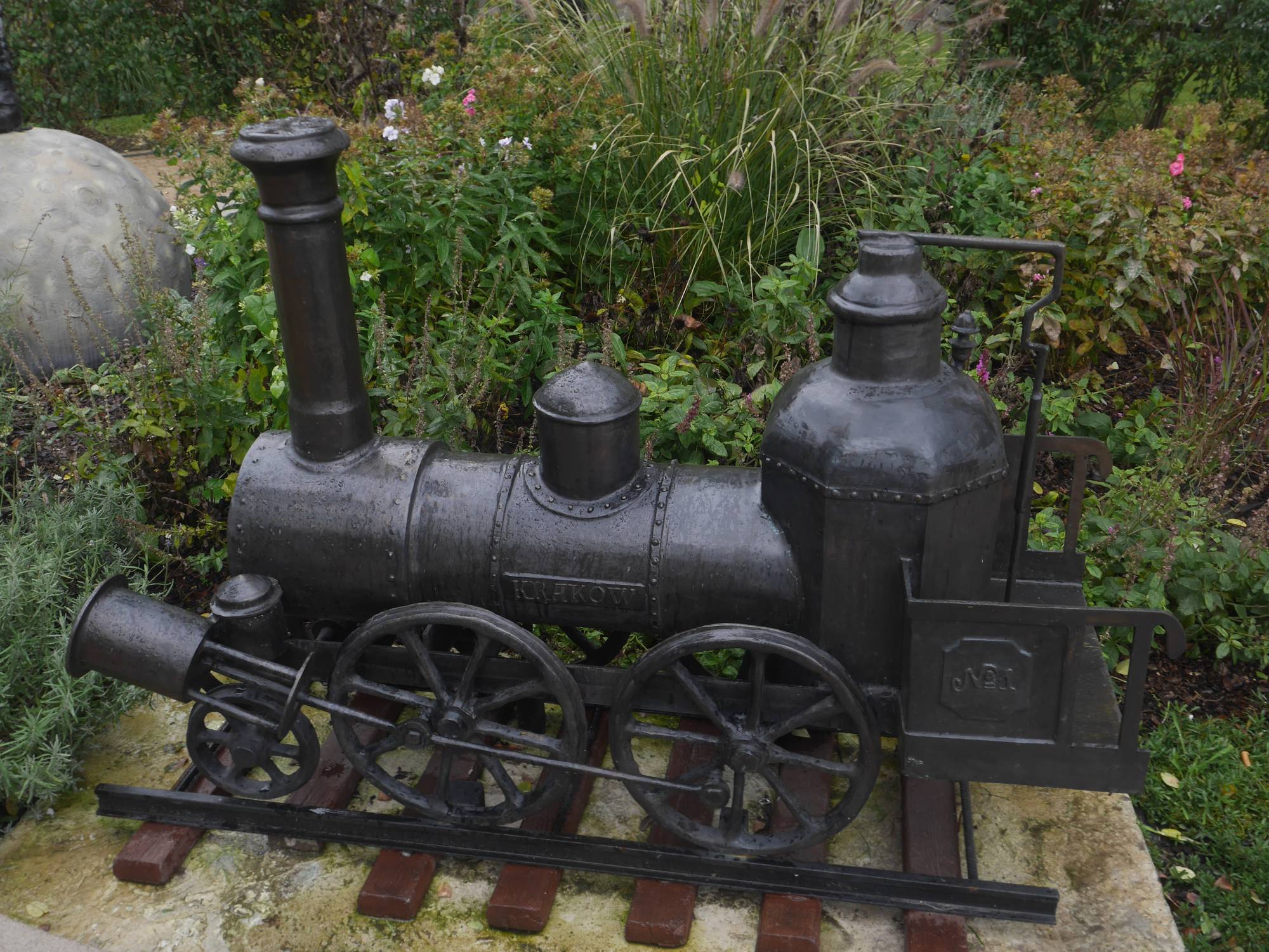
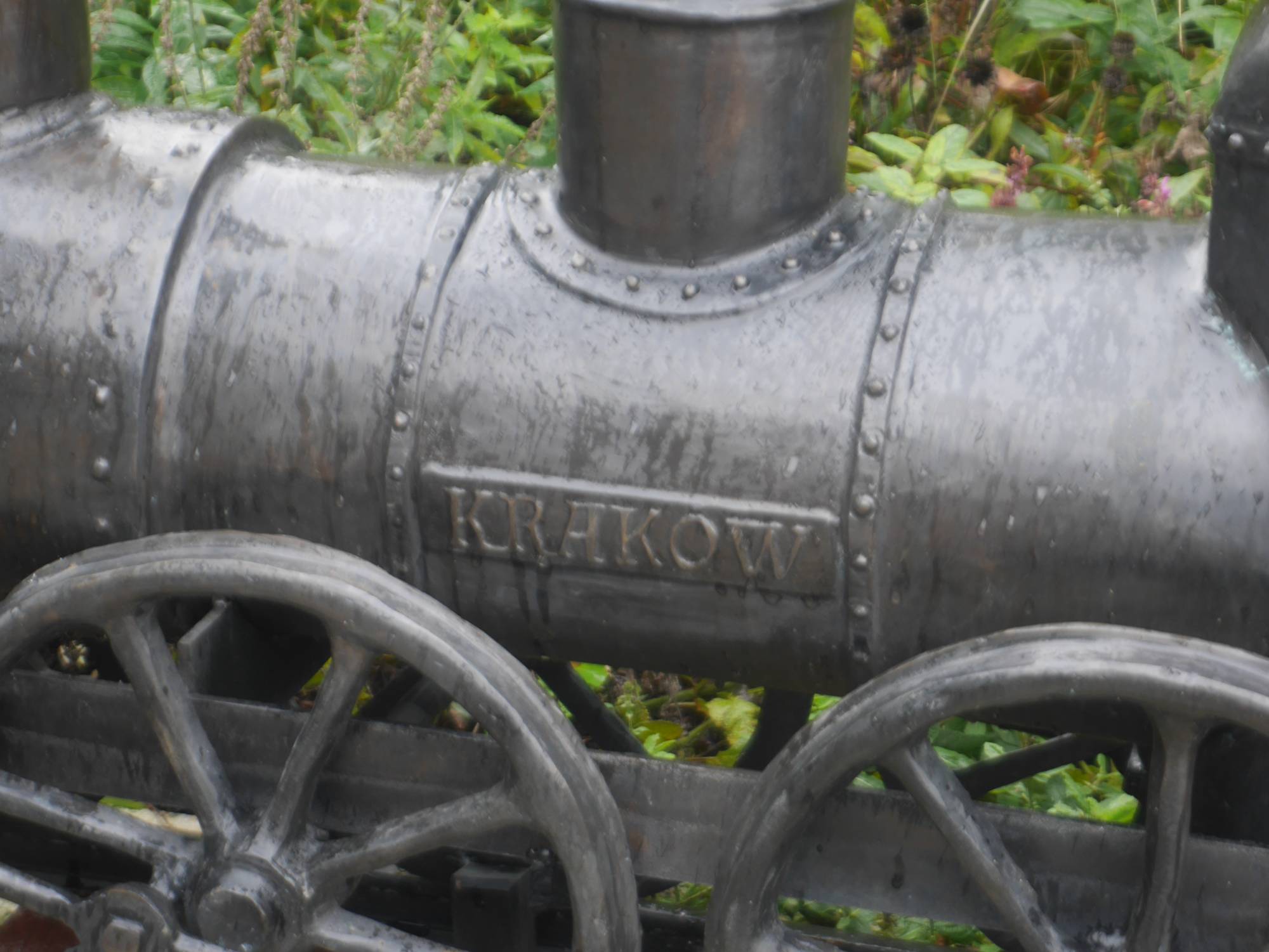
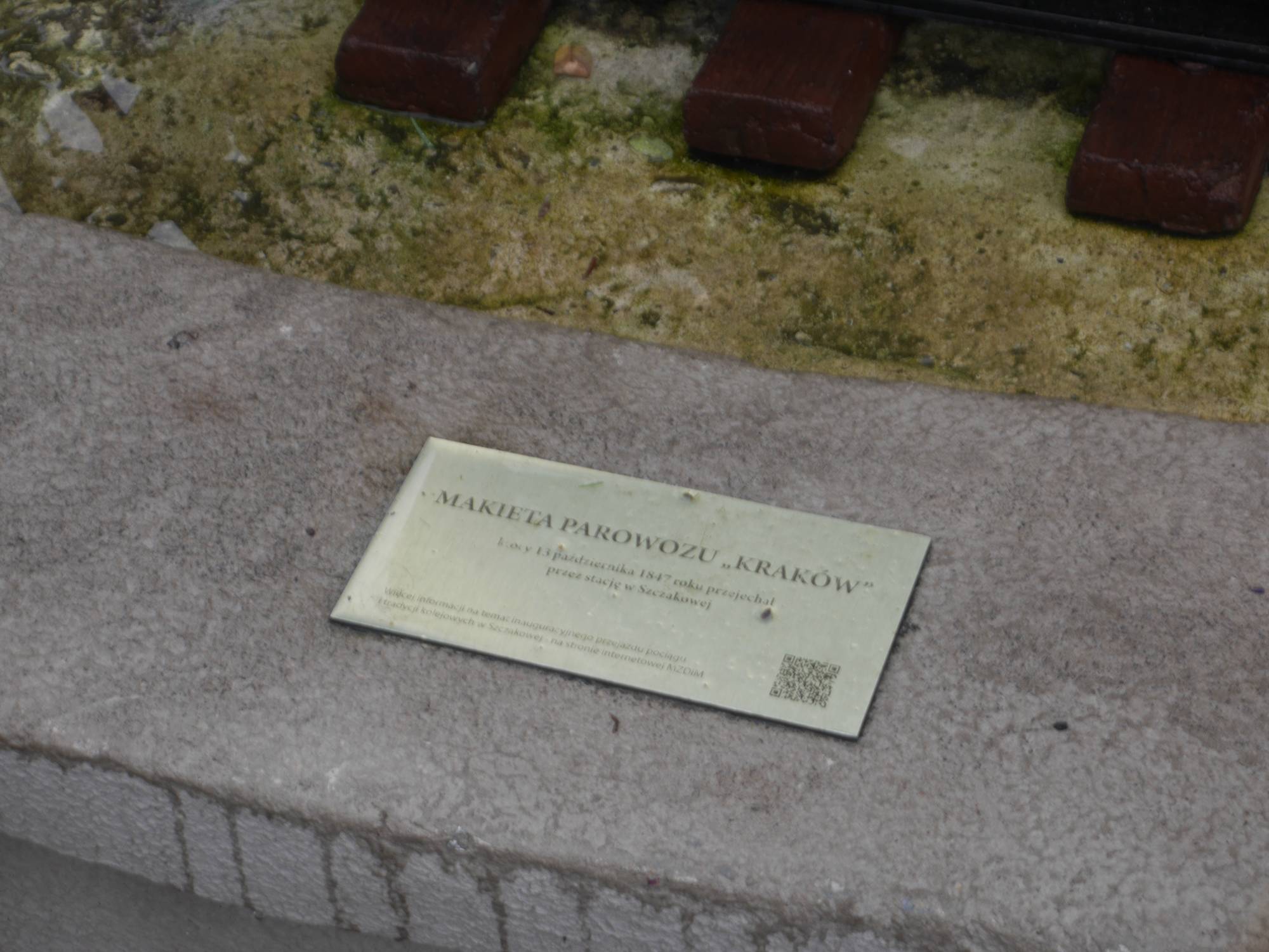

In the square in front of the railway station in Jaworzno-Szczakowa [Szczakowa], there stands a model of the "Kraków" steam locomotive, symbolizing the railway traditions of this district. It commemorates the event of October 13, 1847, when the first train from Kraków passed through Szczakowa, pulled by a locomotive of that very name. The authorities of the Free City of Kraków [Rzeczpospolita Krakowska] decided as early as 1844 to join the international railway network, and the first line – opened in 1847 – connected Kraków with Mysłowice [Myslowitz] via Krzeszowice, Trzebinia, and Szczakowa. The motives for its construction were primarily economic. Until 1859, all rail traffic between Warsaw, Wrocław [Breslau], and Vienna passed through the territory of the former Free City of Kraków, and the station in Szczakowa played a key role in the transport of goods and passengers at that time. In addition to the locomotive model, the square features elements of small architecture, including a figurine of a "hamster-railwayman," emphasizing the local character of the place. The entire arrangement is meant not only to beautify the station's surroundings but also to remind visitors of Szczakowa's historical significance as an important railway junction. The model of the "Kraków" locomotive has become a new symbol of the district, a point connecting the past with the present.