 Polski
 Cesky
Cesky
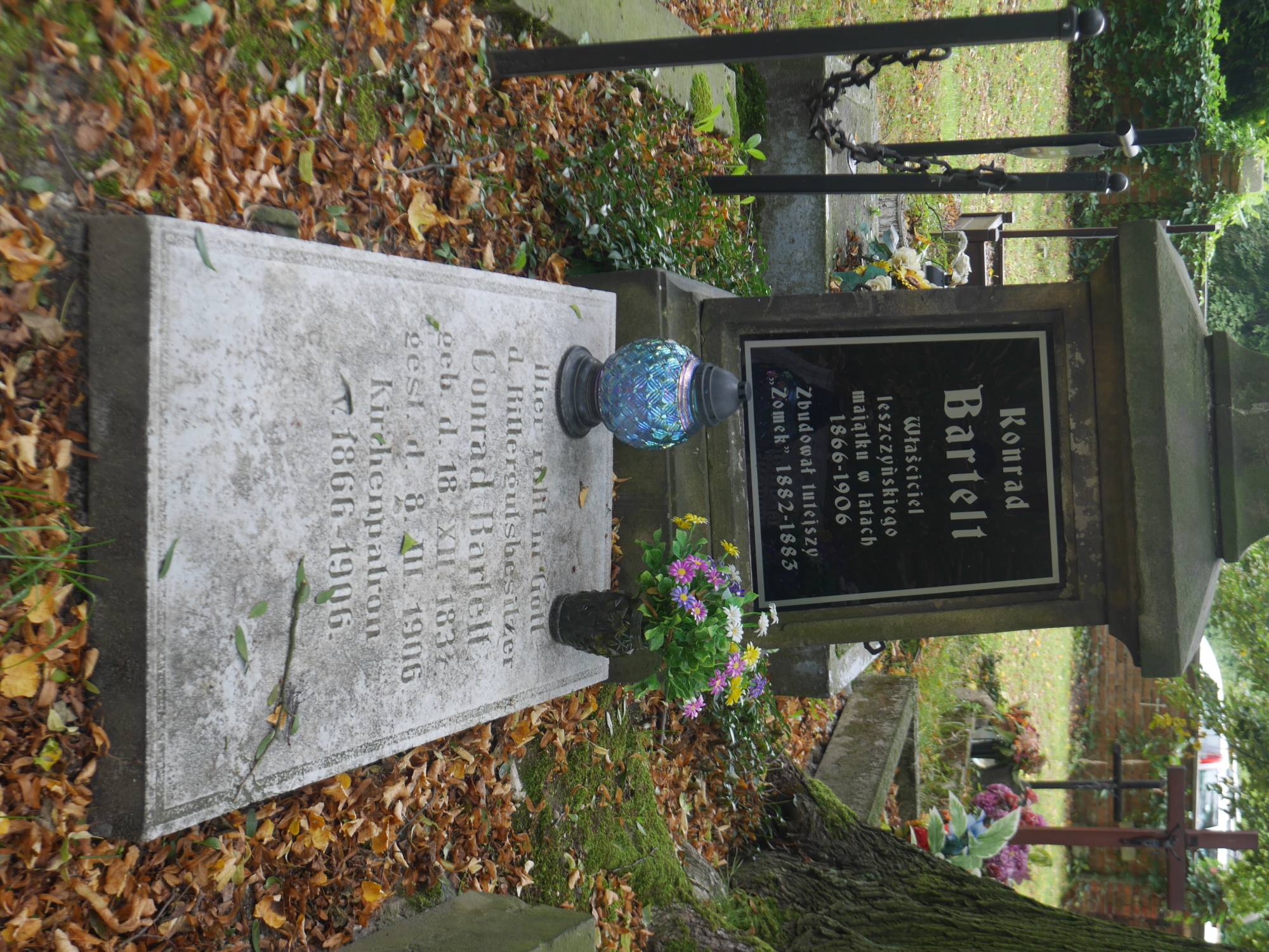
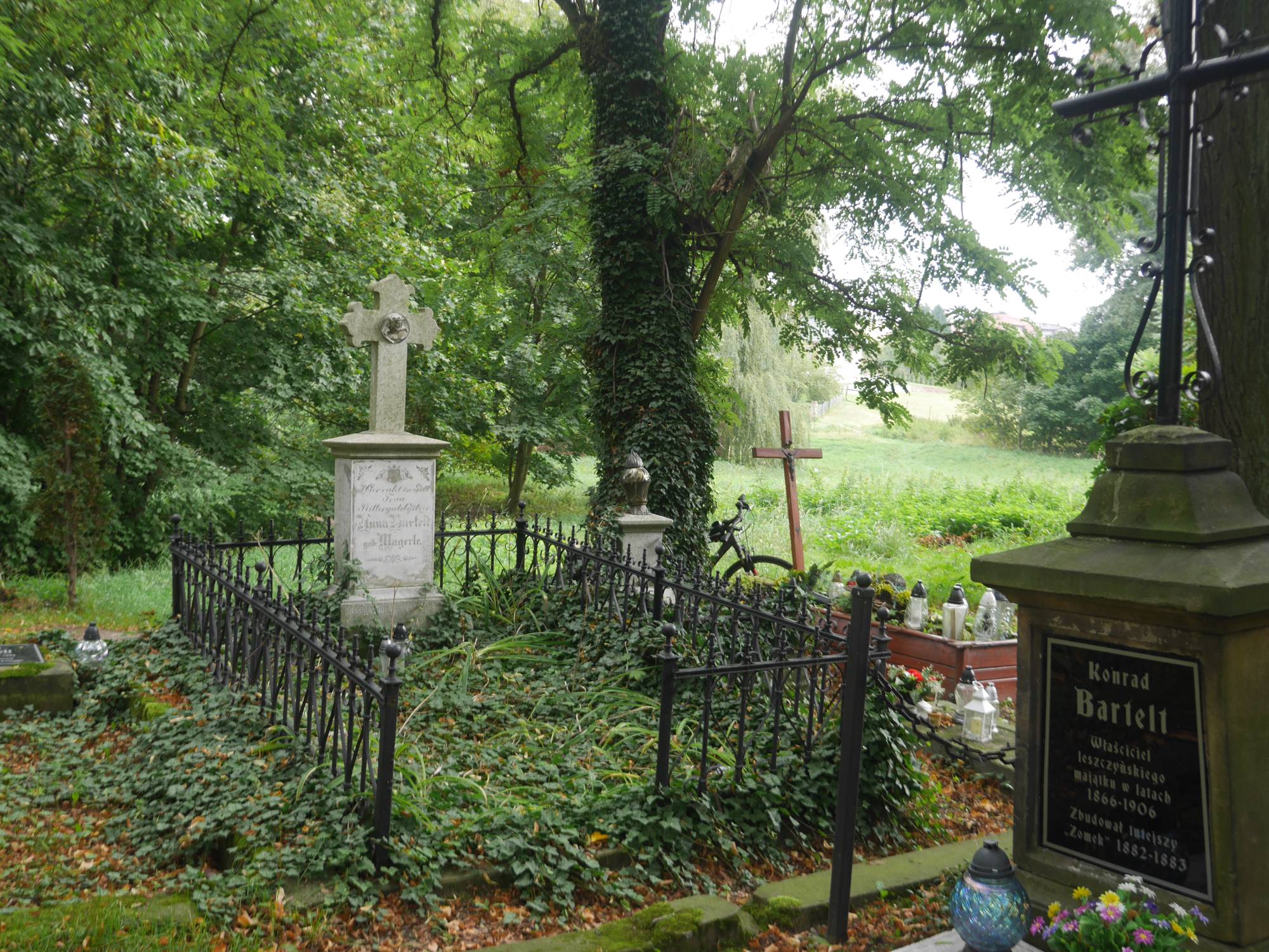
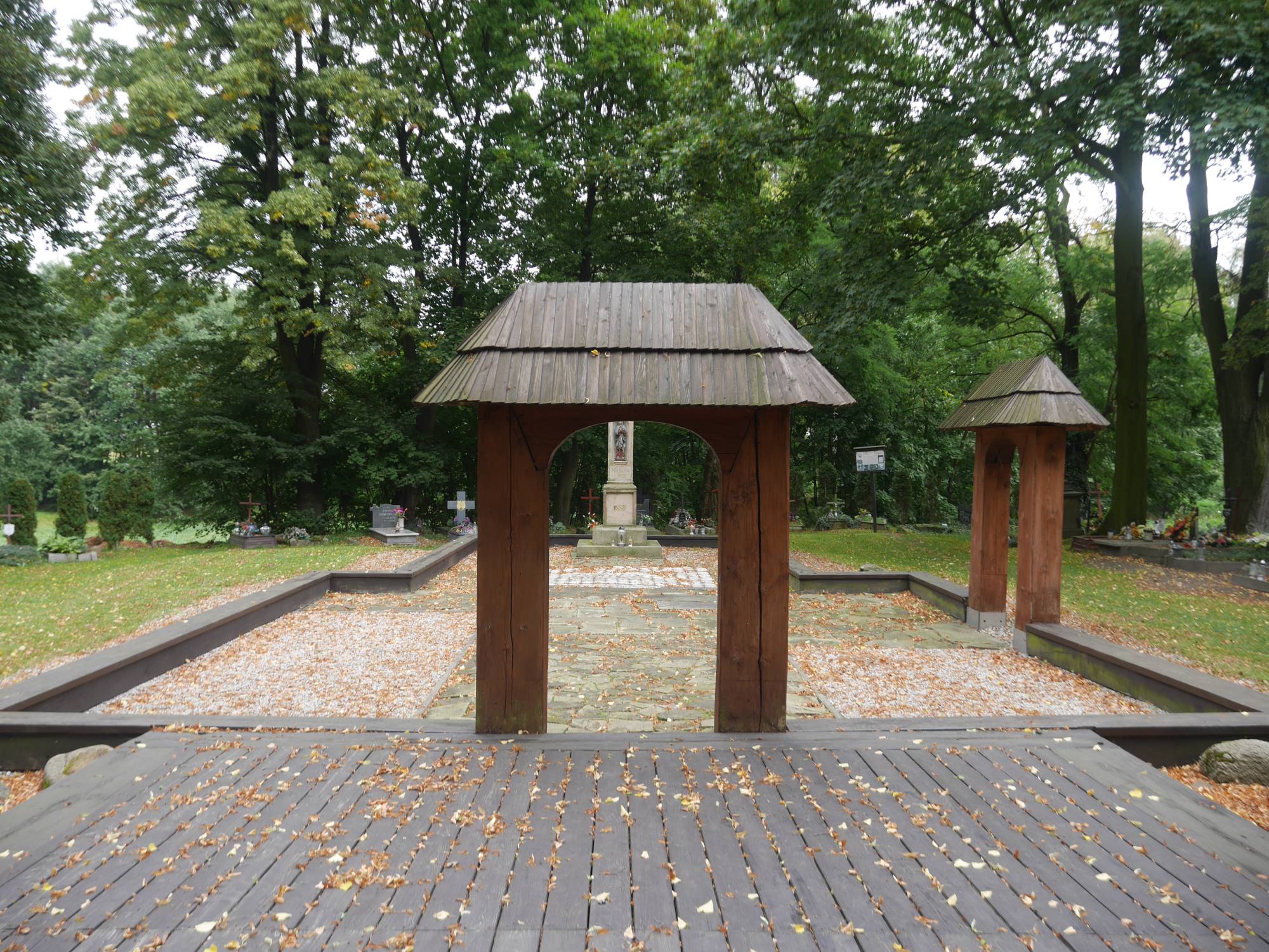
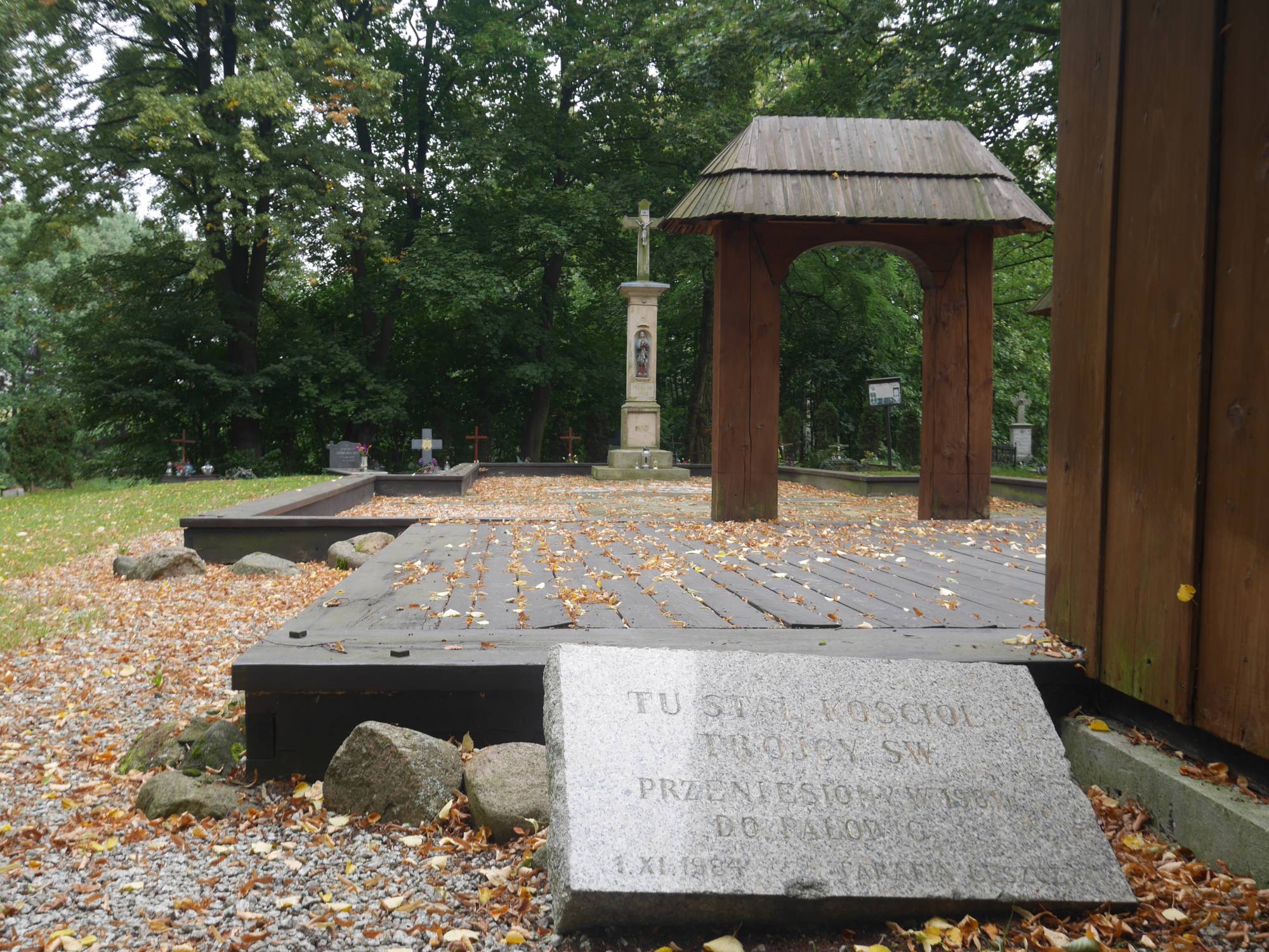

In the shade of about 30 old linden trees stretches the grounds of the old necropolis in Leszczyny [Leschczin], which formed around the wooden Church of the Holy Trinity (moved to Palowice in 1981). The first burials took place here as early as the 14th century, and preserved tombstones from the 19th century remind us of the region's former inhabitants and history. Resting here are, among others, the owners of Leszczyny, heiress Helena Laschowska, estate owner Konrad Bartelt, teacher and organist Tomasz Wróbel, Silesian insurgent Ludwik Groborz, and Polish Army soldier Adam Zając. Polish and German inscriptions tell the history of the village and Upper Silesia. Once, on the edge of the cemetery, stood the monumental Holy Trinity Linden, named for its characteristic three branches. Burials ceased in 1959, and a new necropolis was established next to the Church of St. Andrew Bobola, containing the graves of Silesian insurgents as well as victims of the September Campaign and German extermination camps. Today, the cemetery is a place of silence and memory. A trace of the former church remains in an architectural arrangement created in 2006 – the foundations of the building with preserved sandstone floor elements.